
-
Từnguyên Hán-Nôm Thôngdụng
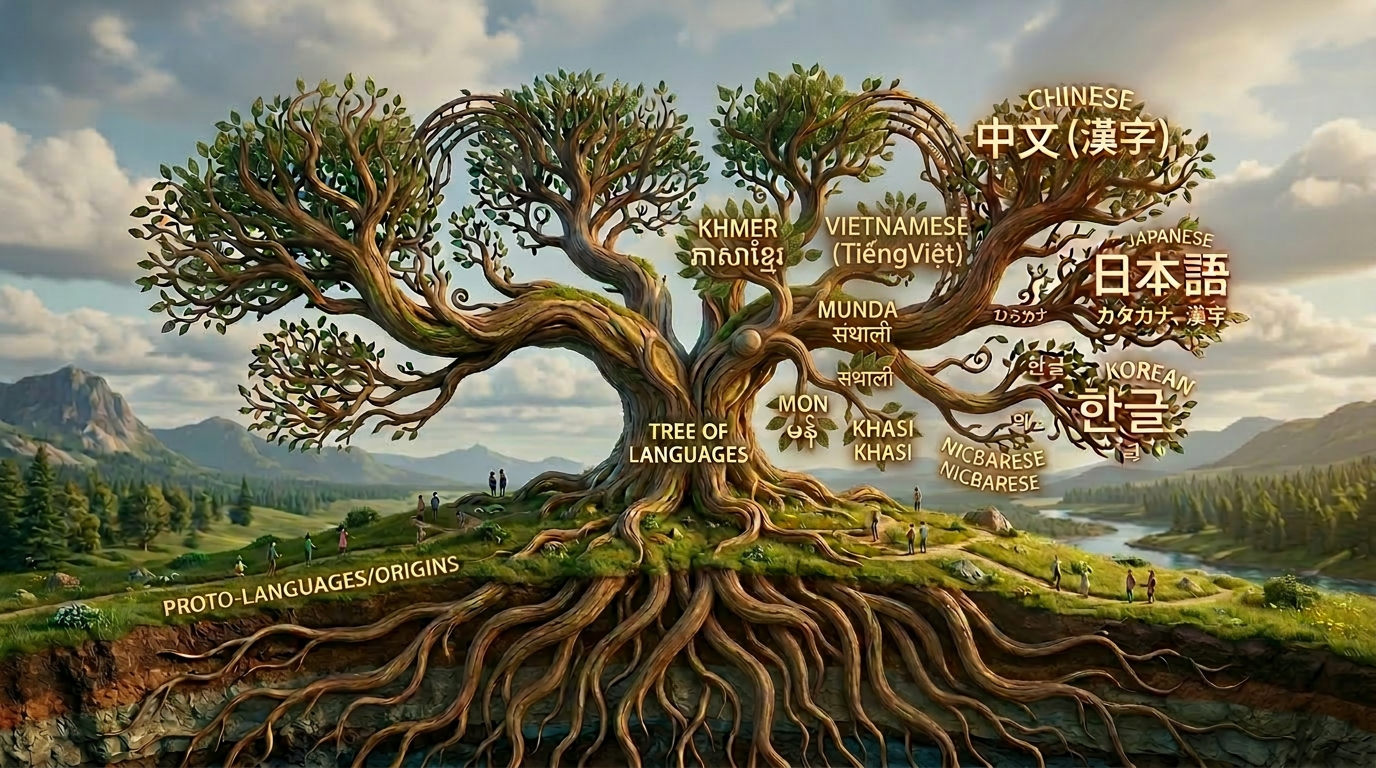
Bàiviết này diễngiải mộtsố từnguyên tiếngViệt, giảimã chữnghĩa và lầntheo dấutích các lớp từ gốcHán trong tiếngViệt, một phần đángkể trong lớp từvựng nềntảng của tiếngViệt có thể bảolưu dấuvết của những tầng từvựng Hán‑Tạng và Háncổ, cóthể nhậndiện thôngqua ngữâmhọc lịchsử, sosánh phươngngữ và phântích ngữnghĩa.
Discover your Vietnamese
an exploration that spans its deep past and living present.

- NON-FICTION
- Prelude to Sintic-Vietnamese
- Giớithiệu Từnguyên Hán‑Nôm
- 漢·越 序論
- Review of Correspondences in Basic Vocabularies
- Vietnamese2020 Orthography
- Cảicách Cáchviết ChữViệt Đaâmtiết
- Hypothetical Path to Sino‑Tibetan Classification
- Chinese and the Vietnamese Basic Vocabulary Stock
- Sino-Vietnamese vs. Sinitic-Vietnamese words
- 漢·越詞 與 漢·南詞
- Sinitic‑Vietnamese: Defining the Chinese Layer in Vietnamese
- The Languages of China before the Chinese
- In Search of the Origins of Vietnamese: The Unfinished Work
- Vietnamese Parallels with the Sino-Tibetan Languages
- Comparanda of Modern Chinese and Vietnamese Commonalities
- Tiếngnói Thuở Hoalục Chưa Nở Hoa
- 中國人 出現 之前 的 中國 諸 語言
- Sinitic-Vietnamese Linguistic Evolution across Dynasties
- Ýthức Mới về Nguồngốc TiếngViệt
- Từnguyên Việtngữ Khôngchỉlà Những Kýhiệu Côlập
- 越語 與 語言 進化
- Mon-Khmer and Vietnamese Basic Words
Read more…
- Continued…
- The Role of Vietnamese Disyllabism in Exploring Vietnamese Words of Chinese Origin
- A Corollary Approach To Vietnamization
- Bảnđịahoá và Canhtân Từnguyên Hánngữ
- Localization and Innovation
- An Analogy of Vietnamese Etymology
- Sựbiếnâm Hán‑Việt Đã Xảyra Nhưthếnào
- Phépquynạp về Từnguyên TiếngViệt
- Đốichiếu Từvựng Cơbản Đồngnguyên Việt–Hán
- Ýthức Mới về Bảnsắc TiếngViệt
- 官話 於 漢·喃 形成 過程 之 作用
- Truytìm Nguồngốc TiếngViệt: Côngtrình Chưahoànthành
- Sốđếm TiếngViệt dưới Lăngkính Hán‑Tạng
- Xétlại những Tươngứng trong Từvựng Cơbản
- Sự Hìnhthành Thanhđiệu trong TiếngViệt
- Lớp Từvựng Cơbản
- Phânbiệt Từvựng Khôngthuộc Khối Môn‑Khmer NamÁ
- Từvựng Cănbản Môn‑Khmer và TiếngViệt
- Mụctừ Cănbản TiếngViệt tại Ngãtư Giaothoa
- Suyxétlại Sựbiếnđổi Ngữâm trong Tiếng Việt và Hán
- 透過 翻譯 學習 越語 與 漢語 的 多音節 結構 (中級)
- Đốichiếu Sựgiốngnhau giữa Tiếng Hán và Việt Hiệnđại
- What Makes Vietnamese So Chinese?
- Shifts in Linguistic Climate on the Mon‑Khmer Front
- Rethinking Sound Change in Vietnamese and Chinese
- 漢語 多音節 正字 方案
- The China Intruders
- The Cognitive and Structural Rationale for Polysyllabic Writing in Vietnamese and Chinese
- Hiệuứng của Luậnđiệu Nguồngốc Môn‑Khmer
- The Role of Mandarin on the Becoming Sinitic‑Vietnamese
- 漢語 與 越語 基礎 詞彙 層
- Hánngữ và Lớp Từ Cơbản TiếngViệt
- Tiếng Việt và Hán-Việt
- TiếngViệt và Tiếnhoá Ngônngữ
- Dẫnnhập vào Từ GốcHán
- 越語 之 深層 本源 結構
- Những Tươngứng Việtngữ với Ngữhệ Hán‑Tạng
- Challenges and Accessibility of Vietnamese Antiquity and Philology
- Examples of Vietnamese Polysyllabic and Disyllabic Vocabularies
- Dấuvết BáchViệt Cổtích và Bốicảnh Lịchsử Việtnam
- Echoes of the Yue: Archaeological Traces and Historical Context in Vietnam
- 越語 何以 若 此 漢化?
- Core Matter of Vietnamese Etymology
- Khi Những Kháchtrú Ngoạilai Làmchủ Hoalục
- Làmthếnào Mà Thuyết NamÁ Đã Chiếmngôi BáchViệt?
- Rethinking Vietnamese Linguistic Identity
- 越語 相應 於 漢藏 語系
- What Makes Chinese So Vietnamese
- Chínhtrị và Họcthuật trong Ngônngữhọc Hán‑Việt
- Disản Kép của TiếngViệt
- Vaitrò của Quanthoại trong Quátrình Hìnhthành Hán-Nôm
- Rethinking Mandarin Romanization
- 先秦 華夏 時期 的 反客為主 現象
- Từnguyênhọc HánNôm
- Case Study Worksheets
- Comparative Sino-Tibetan Etymologies, Early Southern Yue Polities, and Proto-Tibetan Migrations
- Reframing Vietnamese Linguistic Identity
- Vietnamese Basic Word Lists at the Crossroads
- Theory of Vietnamese Tonal Development
- 現代 中文 與 越語 之 共通性 比勘
- The Underlying Stratum of Basic Vocabularies
- Reassessing Vietnamese Numerals in Sino‑Tibetan Perspective
- Phéploạisuy Việthoá
- Distinguishing Vietnamese Vocabulary from Austroasiatic Mon-Khmer
- Prelude on the Sinitic Etyma
- A Comparative Study of Core Vietnamese–Chinese Cognate Vocabulary
- Vietnamese and Linguistic Evolution
- Politics and Scholarship in Chinese‑Vietnamese Linguistics
- Phươngpháp Truytìm Từnguyên Hán-Nôm
- How Austroasiatic Theory Overwrote Yue
- 官話 於 漢·喃 形成 過程 之 作用
- Một Hướngtiếpcận Cấutrúc và Ngữâm Đaâmtiết
- Comparative and Etymological Challenges in Vietnamese
- The Mon‑Khmer Misclassification
- Sailầm trong Cách Phânloại Môn‑Khmer
- Vietnamese Linguistic Identity
- Early Contacts: Austroasiatic, Austronesian, and Sino‑Tibetan Interactions
- Bảnsắc Ngônngữ Việt
- Những Vấnđề Trongviệc Sosánh Từnguyên TiếngViệt
- Tiếntrình Hìnhthành Tiếng Hán-Nôm qua các Triềuđại
- Địnhvị Lại Bảnsắc TiếngViệt qua Khảocổ và Ngữâm
- Cảmgiác như Từnguyên “ThuầnViệt”
- Adaptation of the Combication System Framework
- 八萬 詞錄 漢 和 越: Aā 拼頭
- 八萬 詞錄 漢 和 越: Áá 拼頭
- Bibliography and References
-
Nhà Của MAGA Cháyrụi
Bàiviết châmbiếm kểchuyện một người thuộc phe MAGA cánhhữu phớtlờ mọi cảnhbáo ngaykhi nhàhọ bị bốccháy, trongkhi liêntục quytráchnhiệm đổlỗi cho đốiphương và bácbỏ sựthật. Kếtcục, hắnta cùng cảnhà bị thiệtmạng. Tácgiả sửdụng ngụngôn ẩndụ để phêphán chủnghĩa cựcđoan Cônghoà kiểu Trôn, thôngtin sailệch và phủnhận thựctế.
-
Học TiếngHoa Bằngcách Chửicha Chúng
Họctiếng Trung thôngqua môhình câuvăn hiệuquả hơn việc ghinhớ danhsách từvựng. Mỗi khuônmẫu đồngthời truyềnđạt từvựng, ngữpháp, kếthợp từ và ýnghĩa. Cấutrúc ba lớp (中文, pīnyīn, Việtngữ) giúp ngườihọc tiếpthu các đơnvị từvựng như yìzhì / ýchí trong ngữcảnh, qua đó củngcố cả nănglực lĩnhhội lẫn khảnăng sảnsinh ngônngữ chủđộng.
-
Chuyệntình Không Dĩvãng
Cuộcgặpgỡ tìnhcờ: Chris Powell và Jennifer Lowther tìnhcờ gặpnhau khi chuyếnbay của họ bịhủy tại sânbay Toronto vào tháng 4 năm 2003 do bãotuyết. Haingười tròchuyện và Chris đã giúp Jennifer đếndự đámcưới của ngườibạn thânnhất của mình, bấtchấp việc đilại bịgiánđoạn. Đâylà cặpđôi vào một đêm hẹnhò vào nămsau.
- FICTION
- Chinhphụngâm
- Bạctìnhlang
- NhạcViệt LờiHoa NhạcHoa LờiViệt
- Hướngdẫn Dulịch Tâmlinh
- Thơ Phan Cung-Nghiệp
- Đoánđiềm Giảimộng
- Lụctỉnhký
- Trên Dặmtrường
- Thú Phiêudu: Conđường Nay XuyênÁ
- Tứthập Trithiênmệnh
- Hìnhnhư Là Ngàyxưa
- Bồngsơn Những Ngày Mưa
- Khoảngtrống Đời Mình
- Ðờisống Rất Bìnhthường
- Một Thói Tôi Quen
- Ngày Gió Lớn
Read more…
- Continued…
- Truyệncổ Dòng BáchViệt: Chiếcnỏthần
- Sươngsớm Mongmanh
- Khi Mưa Tan Mùa
- Những Thếhệ Cáchbiệtnhau
- Chiếcnhẫn Bíẩn
- Những Côngdânthếgiới Đầutiên
- Dulịch Chếkiểu
- Rấttiếc Là Đã Báotin Sai
- Tìnhyêu Là Cáiđếchgì?
- Conđường Thuốclá
- Còn Buổichiều Vàng
- Niềmvui Chânthành
- Chânbước Chênhvênh
- Đờisống Còn Bìnhthường
- Chờ Nhìnmặt Hìnhngười
- Áotrắng Bồngsơn
- Lối Mưa Mịtmùng
- Cuộchưuchiến Trong Rừng
- Thamluận
- Mộtvài Suynghĩ về Nguồngốc DânViệt
- Chim Hót Ngoài Lồng
- 選譯 詩經, 楚辭, 與 唐詩 (Tríchdịch Thikinh, Sởtừ, và Đườngthi)
-
Mùamưa Này Gió Lớn
Câukết của và sựtựthú của nhàthơ: “Mùa gió lớn tôi lộngngôn nóidối, Mưa đấtliền tàn ướcnhớ linhthiêng.” Hai câu này là một cúxoay rấtđẹp: – thừanhận sựyếuđuối (“lộngngôn nóidối”) – thừanhận sựmấtmát (“tàn ướcnhớ”) – thừanhận sựthiêngliêng của kýức (“linhthiêng”) Kếtthúc không đónglại bàithơ; nó mởra một khoảnglặng.
-
Mộtđời Khác Ta
Một thiphẩm tiêubiểu trong giaiđoạn đầu thậpniên 1970, nơi giọngthơ trữtình hoàcùng nỗihoàivọng của một tâmhồn đầy biếnđộng. Vầnthơ mởra một khônggian mờlạnh, nơi dĩvãng và địnhmệnh giaothoa trong dòng cảmthức. Từng câuthơ như những nhịpthở ghilại hànhtrình của mộtngười. Tácgiả không tìmcách giảiquyết mà để nỗibuồn thấmvào tâmtư ngườiđọc.
-
Sươngsớm Mongmanh
Một truyệnngắn nhẹnhàng về những sốphận nhỏbé ở một làngquê, đượcviết bằng thứ cảmxúc bảnglảng. Sứcsống của họ chanhoà trong khôngkhí: sươngkhói, nắngsớm, tiếngvịt, tiếngcười, tấtcả đều chuyênchở những xaođộng âmthầm trong nộitâm nhânvật. Vănphong gầngũi như lờithầmthì, khiến những khoảnhkhắc bìnhdị thườngngày bừngdậy với nỗi khátvọng uhoài manmác.
-
Khi Mưa Tan Mùa
Phongcách truyệnngắn Phan Cung Nghiệp diễnđạt tinhtế tìnhcảm lặnglẽ qua những cửchỉ và ánhmắt dodự dèdặt giữa Quyên và mộtngười contrai. Vănphong mang sắcthái điệnảnh, thídụ như trong những bướcchân lúngtúng hay nụcười kínđáo được khắchoạ với ngòibút tácgiả vừa uhoài vừa kiềmchế, tiêubiểu vănchương miềnNam của thếkỷ trước.
(creAited by dchph wih Jetpack)